The Official Knowledge Platform of Instruments & Systems
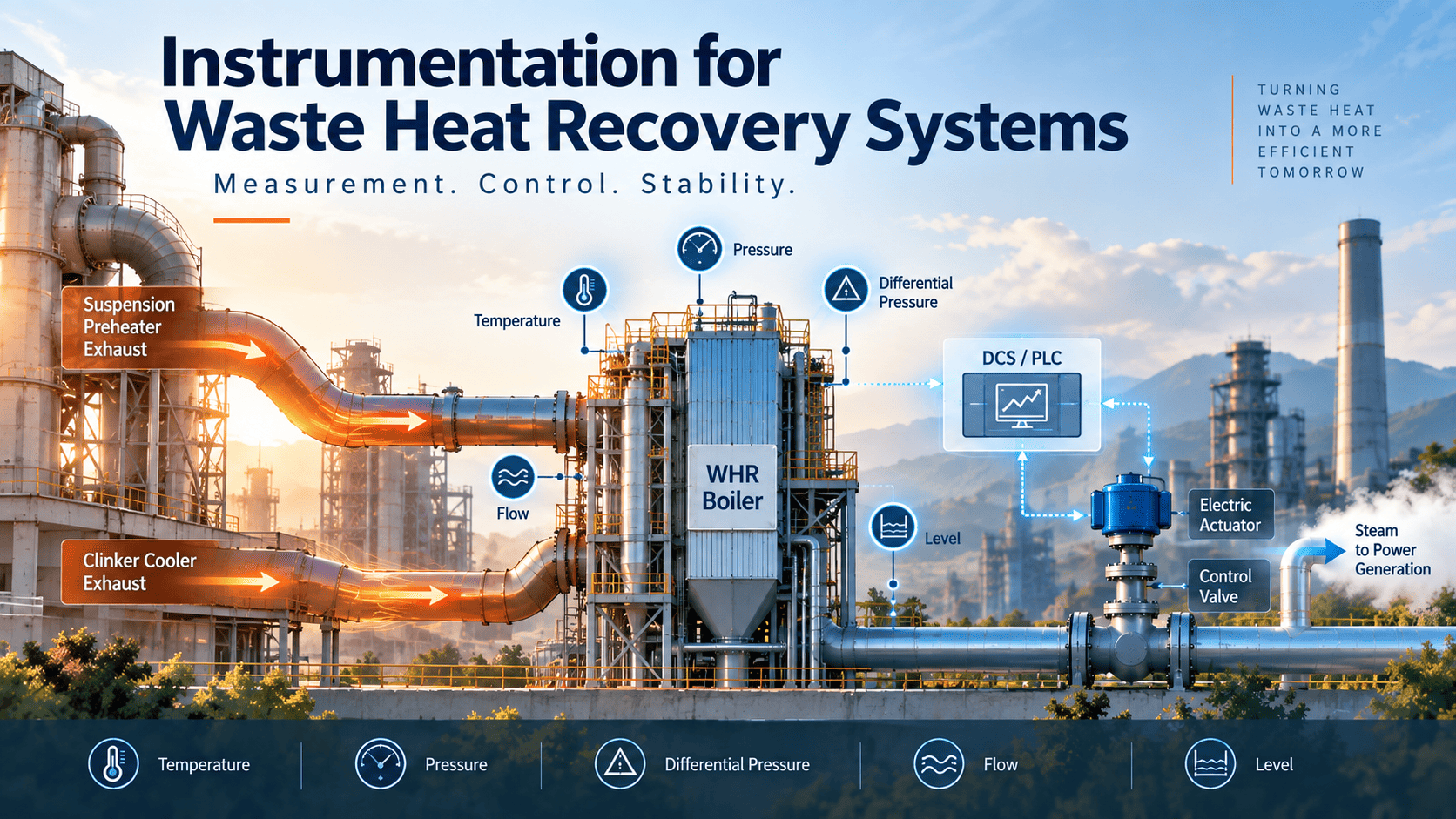
Instrumentation for Waste Heat Recovery Systems
Waste heat recovery is not simply about capturing heat from exhaust gases. Stable WHR operation depends on knowing what is happening across the process and responding to those changes correctly. This article examines the instrumentation behind cement plant waste heat recovery systems, covering pressure, differential pressure, temperature, flow and level measurement, along with control valves, actuators, control loops and the instrumentation problems that can turn a well-designed WHR system into an unreliable one.
- 14 Sep 2026
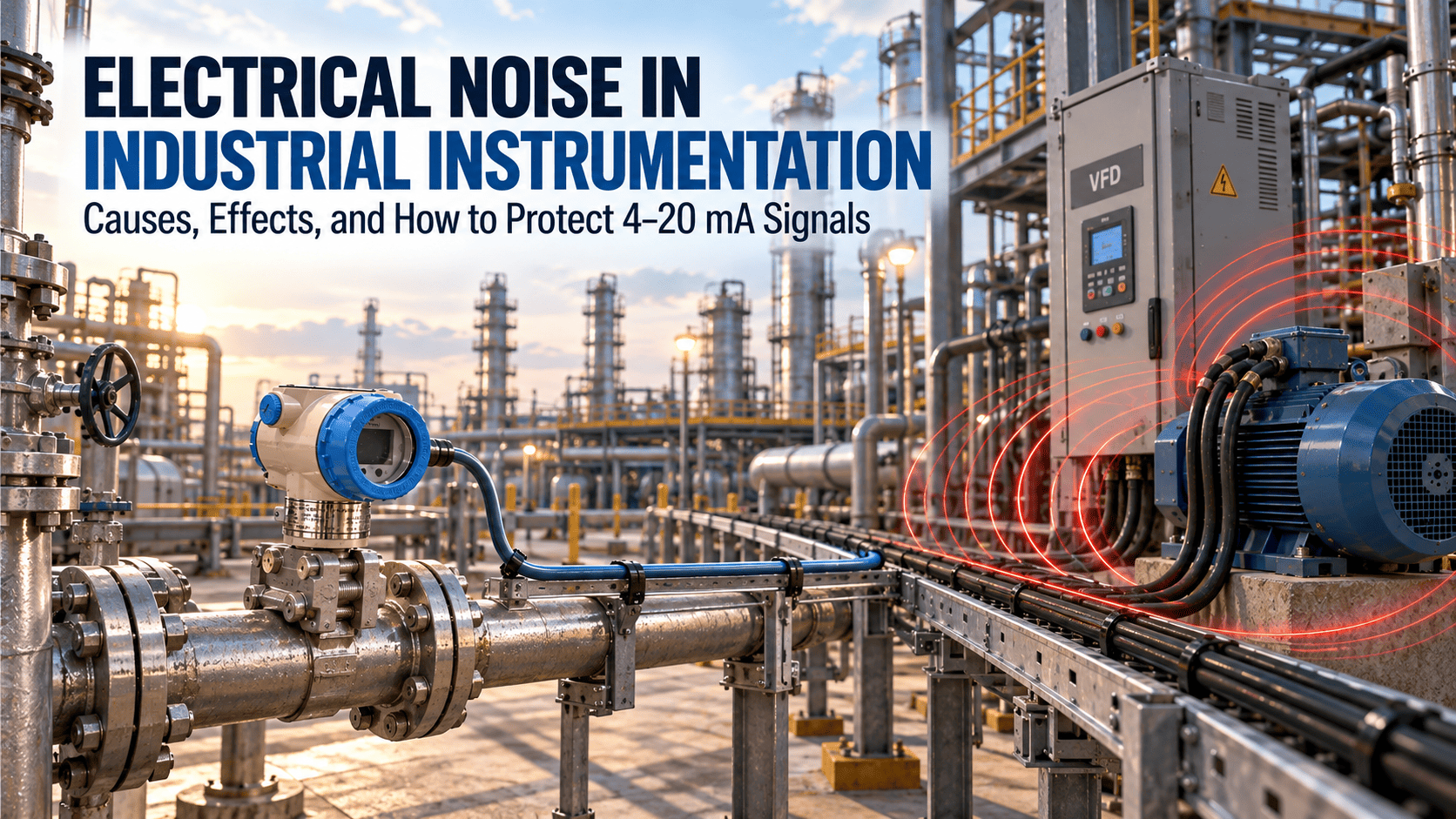
Electrical Noise in Industrial Instrumentation: Causes, Effects, and How to Protect 4–20 mA Signals
Electrical noise can disrupt industrial instrumentation signals even when the transmitter is functioning correctly. This blog explores the sources, coupling mechanisms, and installation factors behind noisy 4–20 mA signals, while covering grounding, shielding, cable routing, VFD interference, and signal integrity. It provides engineers with a practical approach to identify where the signal becomes abnormal, distinguish electrical interference from transmitter or process problems, and prevent recurring issues through better instrumentation design and installation practices.
- 08 Sep 2026
When Instrument Calibration Doesn't Fix the Problem: Finding the Real Cause of Bad Process Measurements
An incorrect process measurement is often treated as a transmitter calibration problem, but the actual error may originate anywhere across the measurement chain. This article explains how process conditions, installation, transmitter configuration, 4–20 mA signals, power and wiring, PLC/DCS inputs, scaling, and engineering units can affect the final reading. It provides a systematic approach to tracing the first point of divergence, establishing whether transmitter error is actually present, and determining whether the appropriate response is process correction, installation correction, configuration correction, calibration, repair, replacement, or reassessment of instrument suitability.
- 01 Sep 2026

Why Radar Level Measurement Is Replacing Legacy Technologies: From Float Systems to Radar
The decision to replace legacy level measurement should begin with a problem, not with the assumption that newer technology is automatically better. This article examines where traditional float and mechanical systems can become constrained, how radar changes the measurement principle, and how application suitability, retrofit requirements, commissioning, reliability, maintenance, and lifecycle considerations should shape a migration decision.
- 10 Aug 2026
Instrumentation for Ammonia Plants: Managing High Pressure, High Consequence Operations
Ammonia plants operate under some of the most demanding conditions in the process industries, where high operating pressures, elevated temperatures, hazardous process media, and continuous production place exceptional demands on industrial instrumentation. Reliable measurement and control are essential for maintaining catalyst performance, protecting critical equipment, improving energy efficiency, ensuring process safety, and sustaining long-term operational stability. This article explores the role of instrumentation throughout ammonia production, covering critical process areas, pressure, differential pressure, temperature, flow, and level measurement, valve automation, common instrumentation challenges, engineering selection criteria, and lifecycle reliability strategies. It explains how engineering-led instrumentation decisions contribute to safer, more efficient, and more reliable ammonia plant operation while supporting long-term asset performance and future modernization.
- 28 Jul 2026
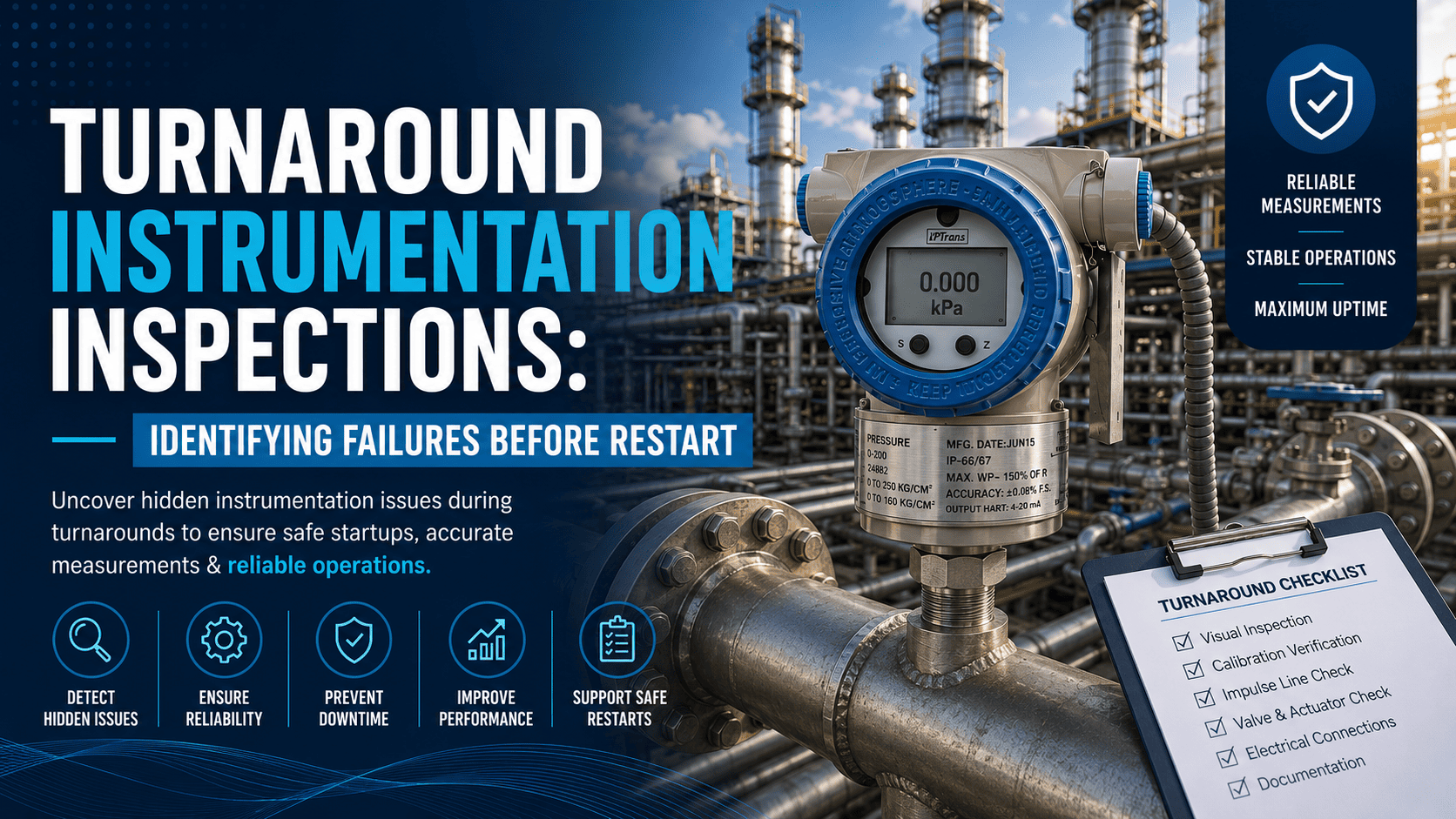
Turnaround Instrumentation Inspections: Identifying Failures Before Restart
Plant turnarounds provide a critical opportunity to uncover hidden instrumentation issues that routine calibration often misses. This blog explains how structured inspections of pressure transmitters, differential pressure transmitters, control valves, actuators, impulse lines, and electrical systems help identify developing failures before startup. By treating turnaround inspections as a reliability engineering practice rather than a maintenance checklist, plants can improve startup readiness, reduce operational risks, enhance process stability, and achieve long-term performance throughout the next operating cycle.
- 20 Jul 2026
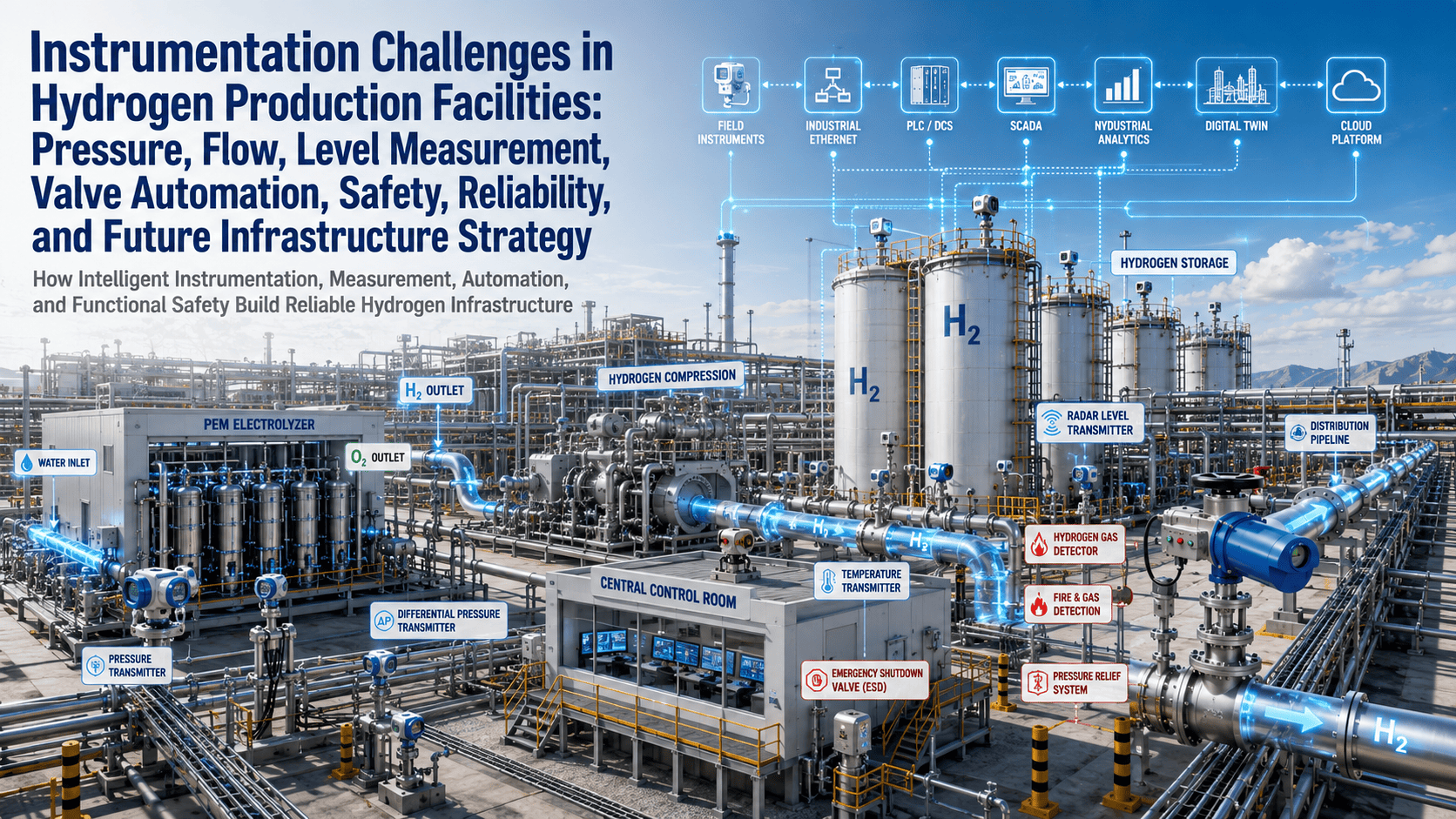
Instrumentation Challenges in Hydrogen Production Facilities: Pressure, Flow, Level Measurement, Valve Automation, Safety, Reliability, and Future Infrastructure Strategy
Hydrogen production facilities present unique instrumentation challenges that directly affect safety, measurement accuracy, process reliability, and operational efficiency. This blog explores how pressure, flow, level measurement, valve automation, functional safety, and digital monitoring work together to build reliable, future-ready hydrogen infrastructure while helping engineering teams make better instrumentation decisions from design through long-term operation.
- 18 Jul 2026
Inside a Modern Process Plant: How Measurement, Control, and Actuation Work Together
Modern process plants depend on a continuous cycle of measurement, control, and actuation to maintain stable, efficient, and reliable operations. Every second, instruments monitor critical process conditions, control systems evaluate operating performance, and final control elements respond to changing requirements. This coordinated architecture forms the operational backbone of industries ranging from power generation and refining to water treatment, pharmaceuticals, food processing, and manufacturing. This article explores how these interconnected systems work together to transform process information into real-time operational control.
- 06 Jul 2026
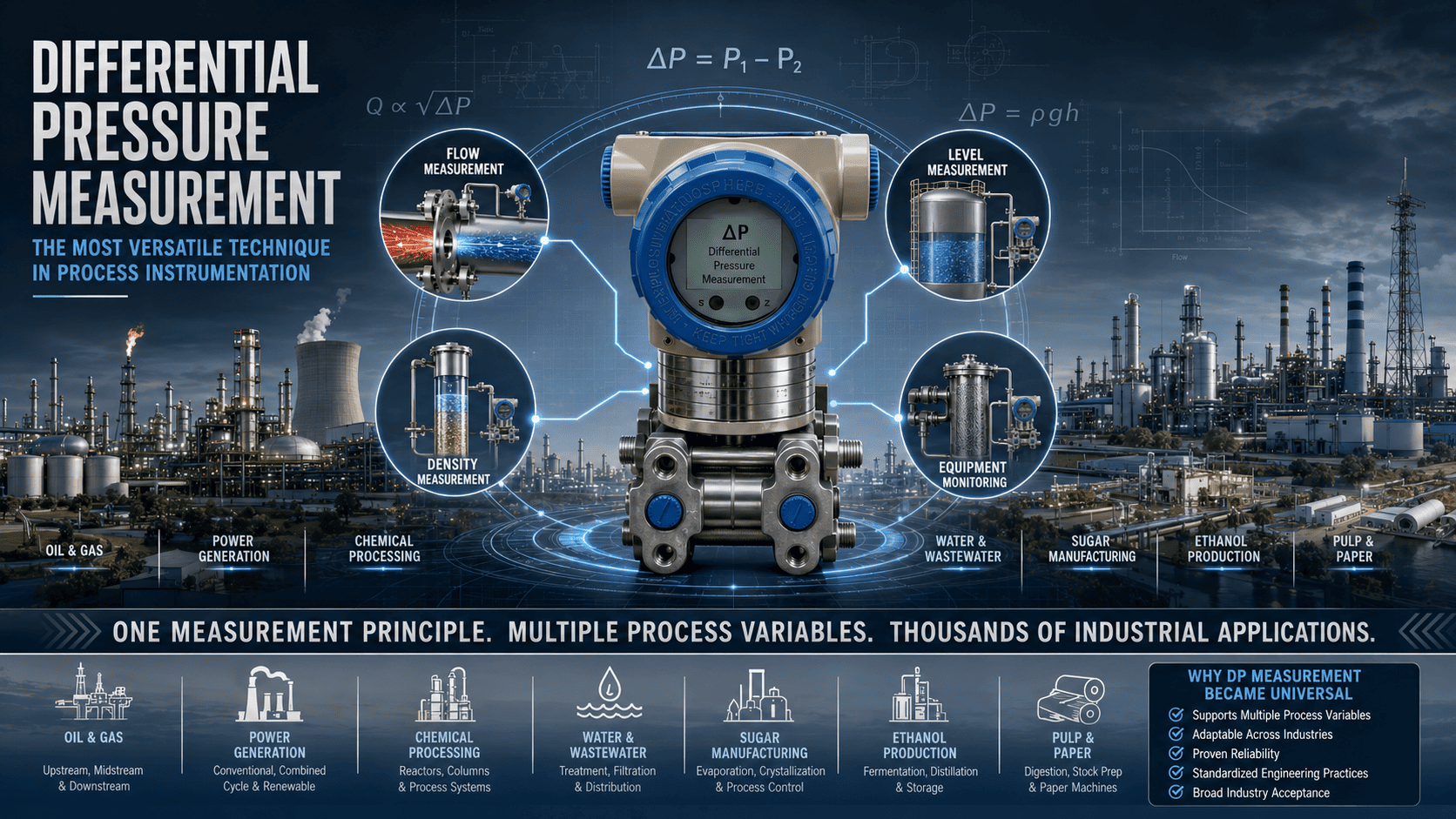
Differential Pressure Measurement: The Most Versatile Technique in Process Instrumentation
Differential pressure measurement remains one of the most versatile techniques in industrial process instrumentation. From flow and level measurement to density calculation and equipment monitoring, a single measurement principle supports multiple process variables across diverse industries. Explore why DP measurement continues to deliver reliability, adaptability, and engineering value in modern smart plants despite the emergence of newer measurement technologies.
- 29 Jun 2026
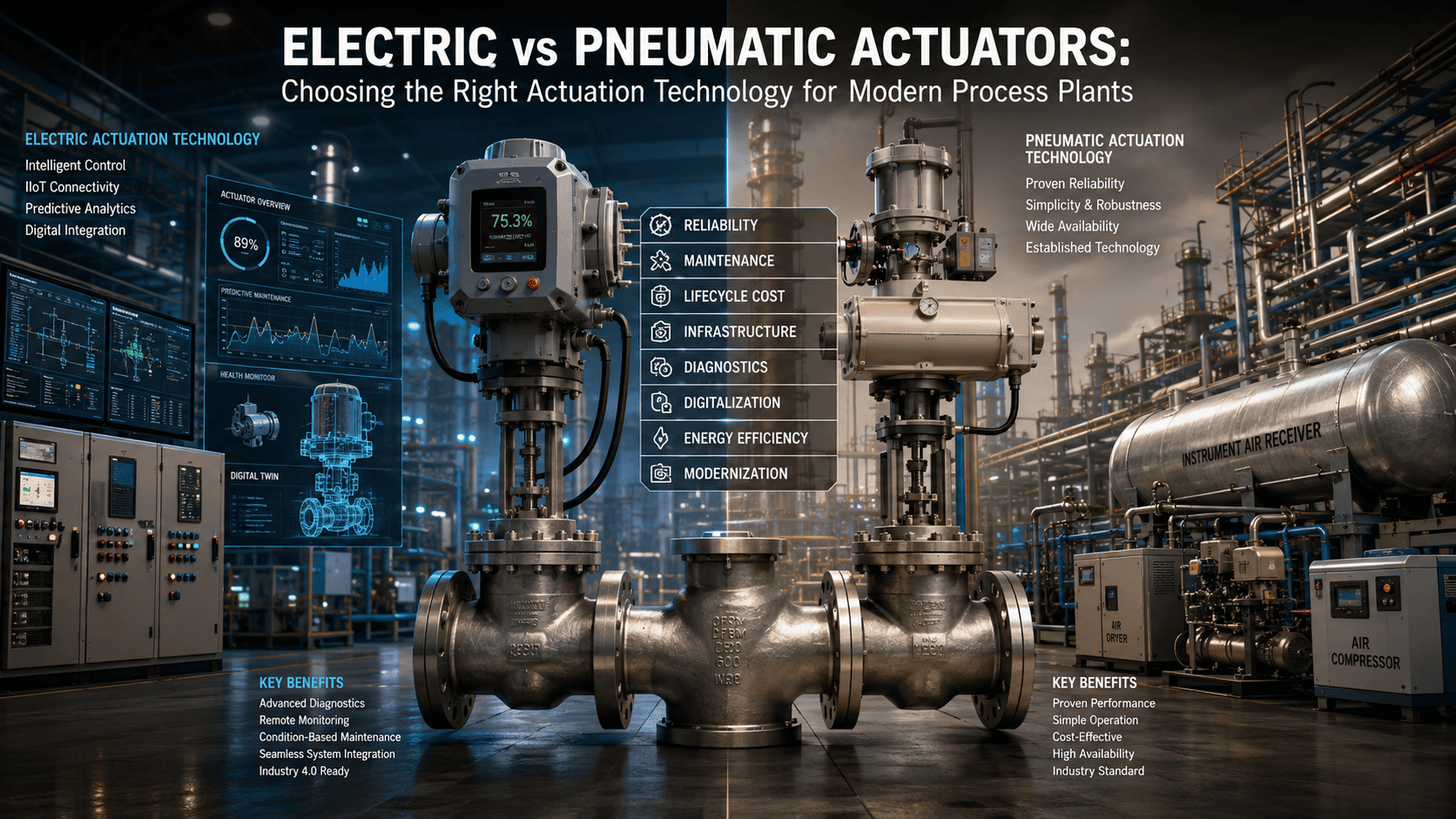
Electric vs Pneumatic Actuators: Choosing the Right Actuation Technology for Modern Process Plants
Choosing between electric and pneumatic actuators is no longer a simple technology comparison. This comprehensive guide explores the engineering, reliability, infrastructure, maintenance, digitalization, and lifecycle cost factors that influence actuator selection in modern process plants. Discover how different industries evaluate actuator technologies and learn how to build a structured decision framework that aligns with operational objectives, safety requirements, and long-term automation goals.
- 23 Jun 2026
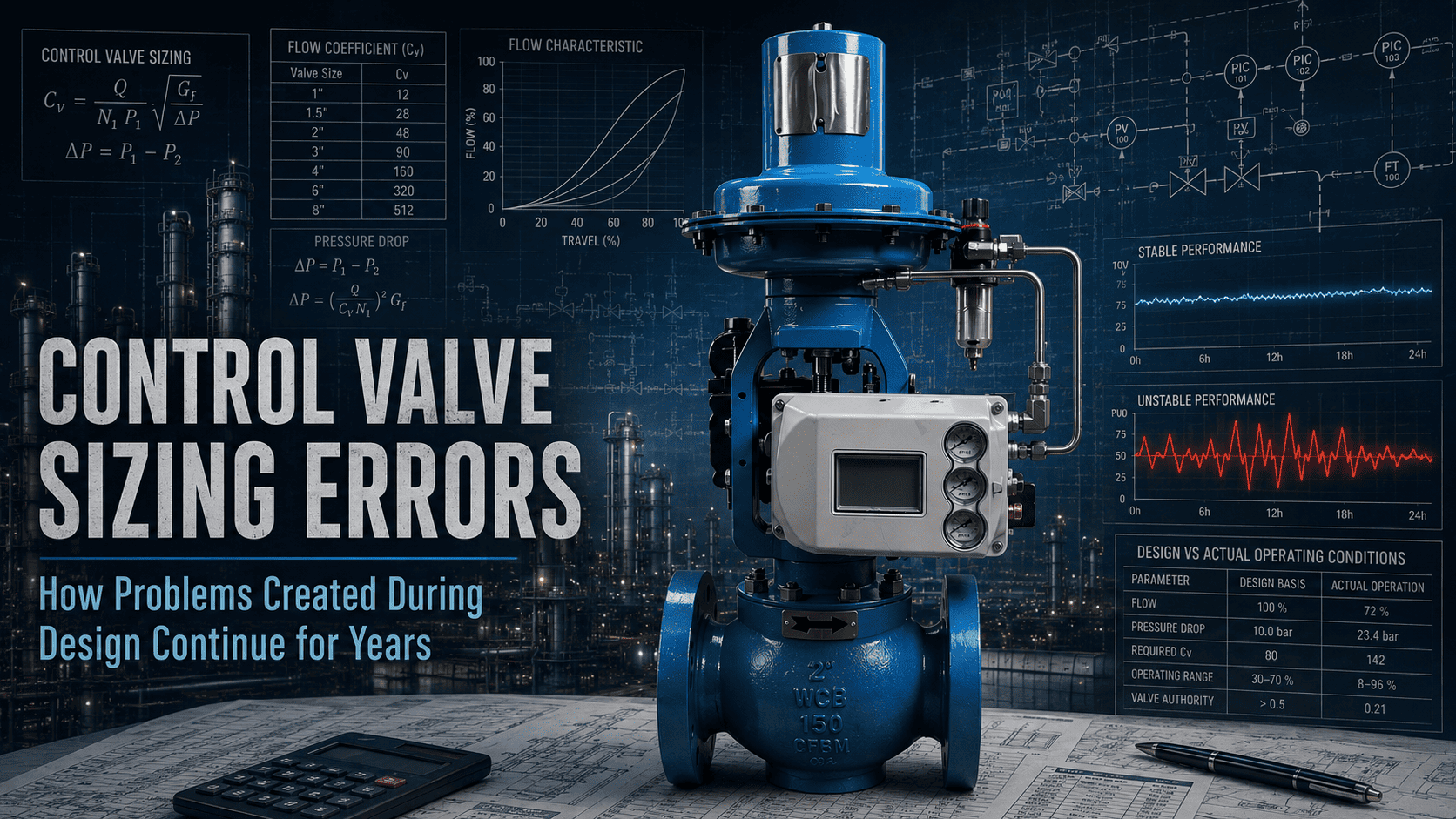
Control Valve Sizing Errors: How Problems Created During Design Continue for Years
Control valve sizing decisions are often treated as routine engineering calculations completed during project design. However, when sizing assumptions are incorrect, the consequences can persist for years. This article examines how oversized and undersized control valves affect process stability, controllability, reliability, maintenance requirements, energy efficiency, and production performance. It also explores how sizing errors create severe service conditions, why these problems frequently remain hidden, and how operating plants can systematically evaluate whether long-standing performance issues originate from decisions made during the design phase.
- 15 Jun 2026
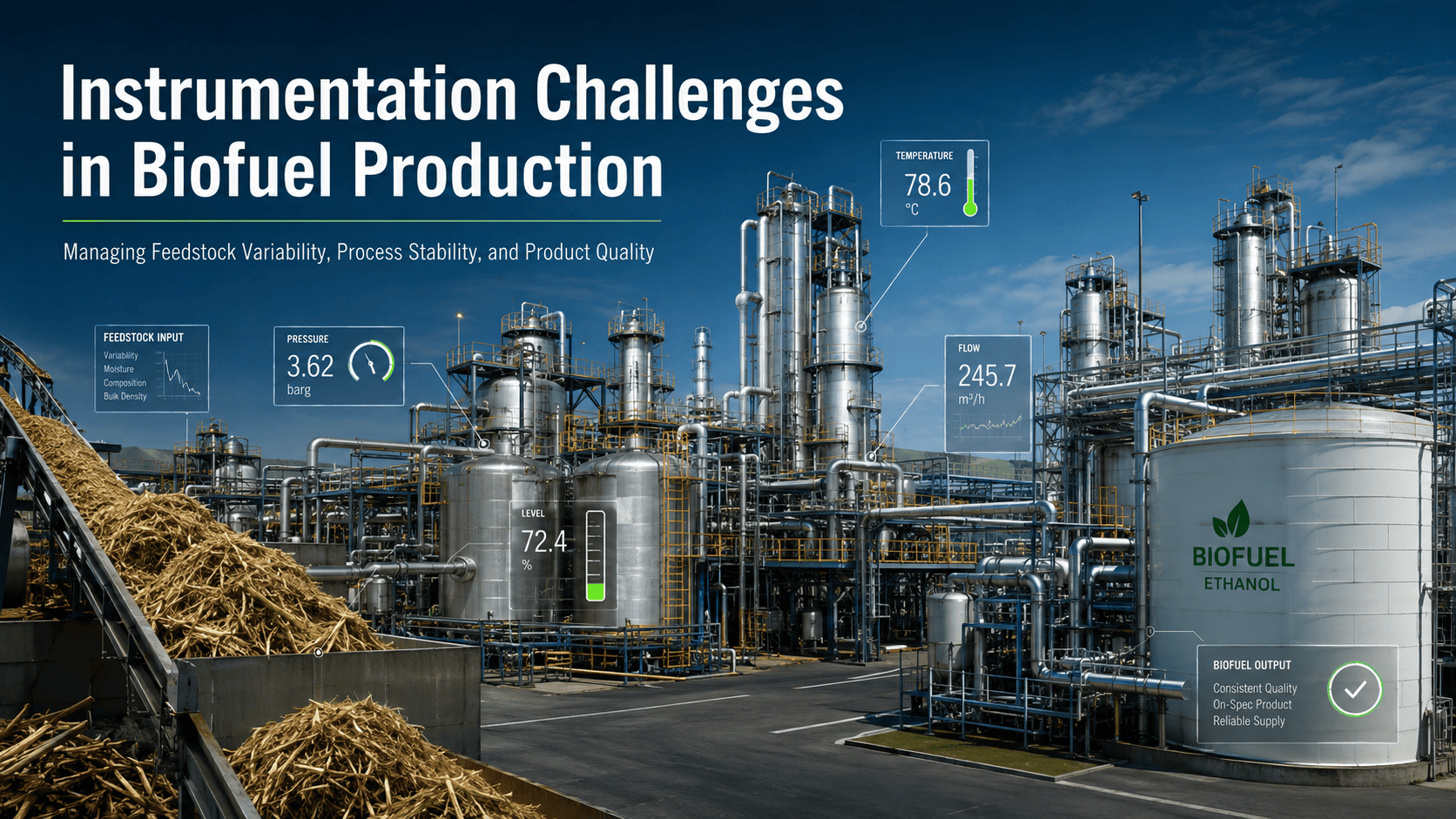
Instrumentation Challenges in Biofuel Production: Managing Feedstock Variability, Process Stability, and Product Quality
Biofuel production presents unique operational challenges that extend far beyond feedstock availability. Variations in biomass composition, moisture content, and contaminant levels can influence process stability, conversion efficiency, and final product quality throughout the facility. This article explores how feedstock variability propagates through biofuel production systems, the measurement challenges faced across critical process stages, and the growing role of automation in maintaining consistent, efficient, and reliable operations. Discover why process visibility, instrumentation, and control systems are becoming increasingly important as biofuel facilities scale to meet rising renewable energy demands.
- 11 Jun 2026
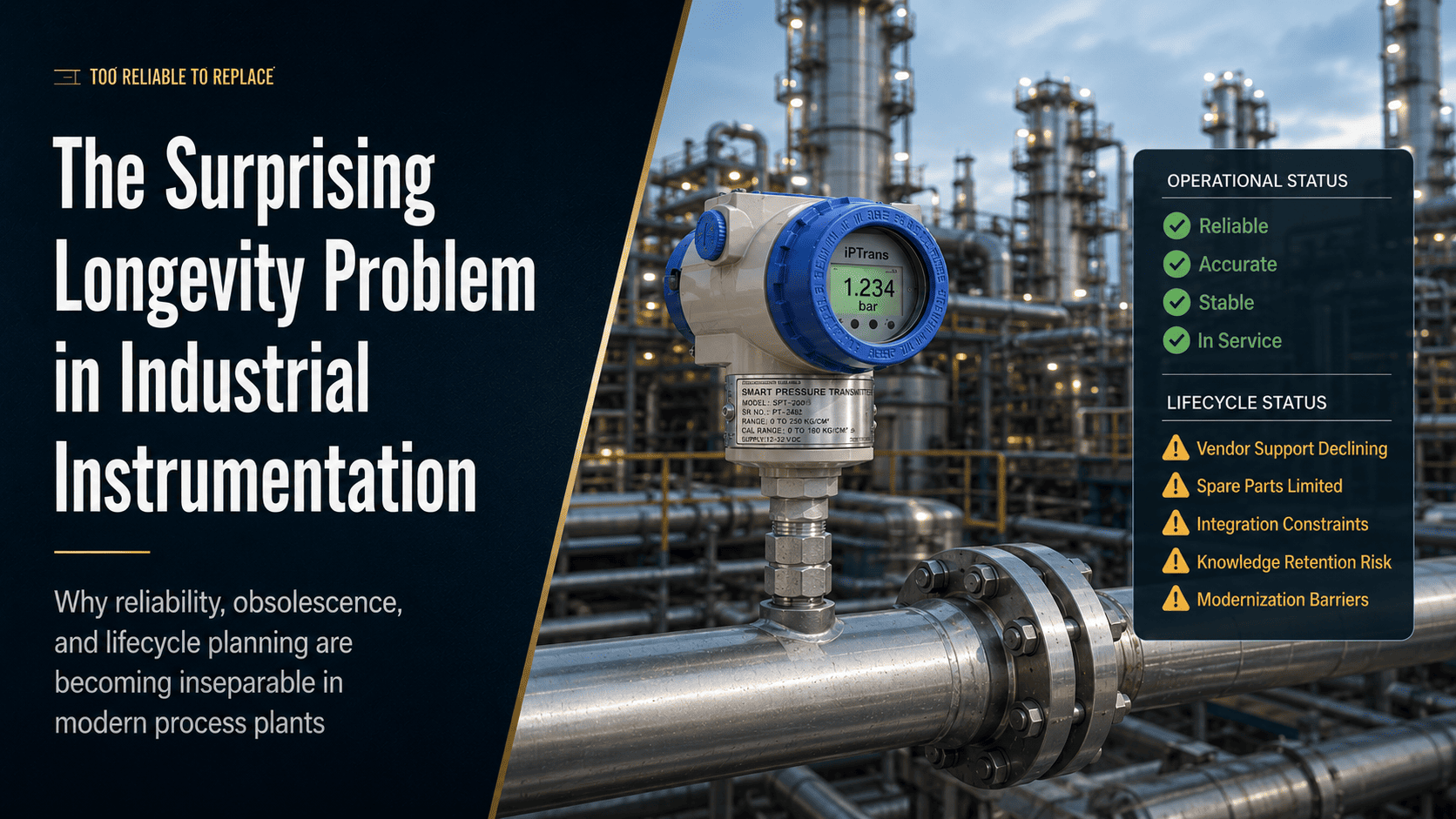
The Surprising Longevity Problem in Industrial Instrumentation
Industrial instrumentation is expected to remain in service for decades, making longevity one of its greatest strengths. However, the same reliability that protects operational continuity can also create hidden challenges related to obsolescence, supportability, integration, and modernization. As technology evolves, aging instrumentation systems often face pressures that extend far beyond equipment performance alone. This blog explores why instrumentation lifecycle management is becoming increasingly important for process plants. It examines the relationship between longevity, legacy infrastructure, knowledge retention, digital transformation, and lifecycle planning, while highlighting why future operational success may depend not only on how long instrumentation lasts, but on how effectively that longevity is managed.
- 01 Jun 2026
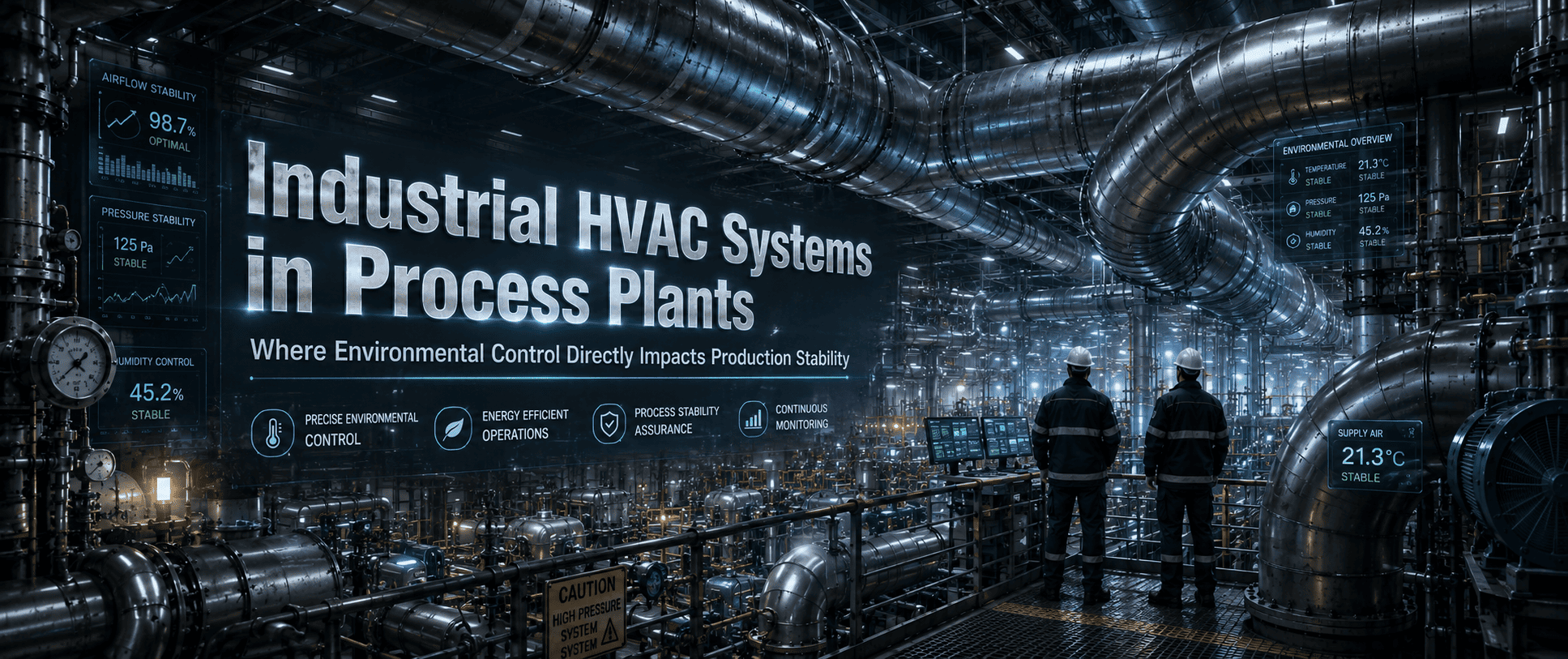
Industrial HVAC Systems in Process Plants: Where Environmental Control Directly Impacts Production Stability
Industrial HVAC systems in process plants are no longer limited to ventilation or facility comfort. The blog explains how environmental instability including airflow imbalance, humidity fluctuation, thermal inconsistency, and pressure drift can directly affect production stability, contamination control, equipment reliability, energy efficiency, and operational continuity across modern manufacturing environments. It also explores the growing role of HVAC monitoring, instrumentation, automation, and predictive environmental control systems in maintaining stable manufacturing conditions across pharmaceutical, food processing, chemical, and other process industries.
- 26 May 2026
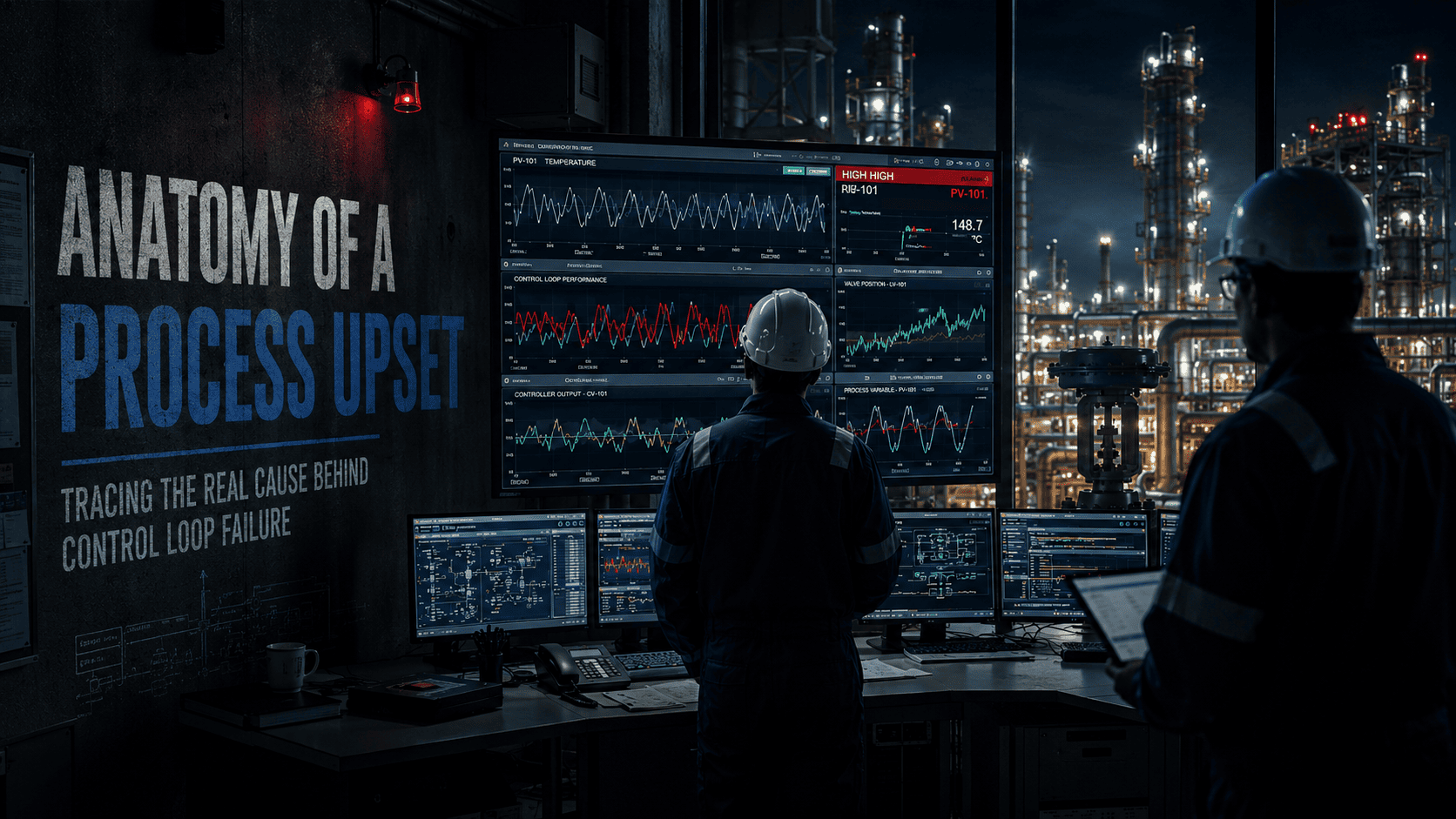
Anatomy of a Process Upset: Tracing a Control Loop Failure
This blog explores how unstable control loops develop inside industrial processes and why process upsets are often misdiagnosed as simple PID tuning problems. Using a reactor temperature loop case study, it explains how valve stiction, transmitter lag, process dead time, and delayed feedback interactions create misleading instability across the control loop. The blog also examines how engineers use trend analysis, valve diagnostics, and loop performance monitoring to identify the real root cause behind unstable process behavior.
- 18 May 2026
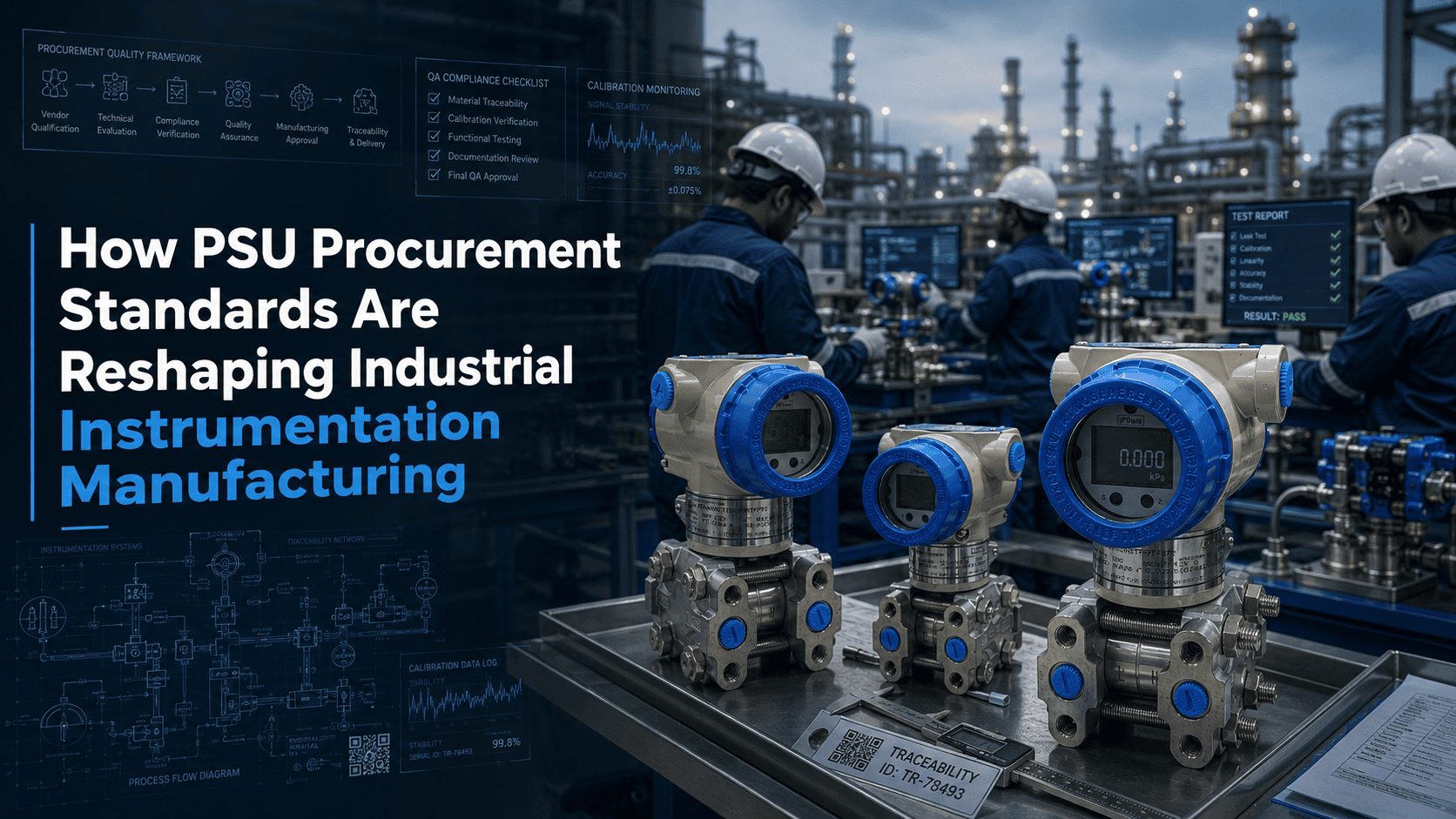
How PSU Procurement Standards Are Reshaping Industrial Instrumentation Manufacturing
This blog examines how PSU procurement standards are changing the way industrial instrumentation manufacturers operate in critical infrastructure sectors. It highlights how procurement is no longer focused only on pricing and technical compliance, but increasingly on manufacturing discipline, calibration accuracy, traceability systems, audit readiness, and long-term operational reliability. The article also explains how stricter qualification requirements are influencing QA systems, testing processes, documentation practices, and digital manufacturing systems across industries such as power generation, refineries, utilities, and water infrastructure. It positions procurement standards as a major force driving modernization and reliability-focused transformation in industrial manufacturing.
- 11 May 2026
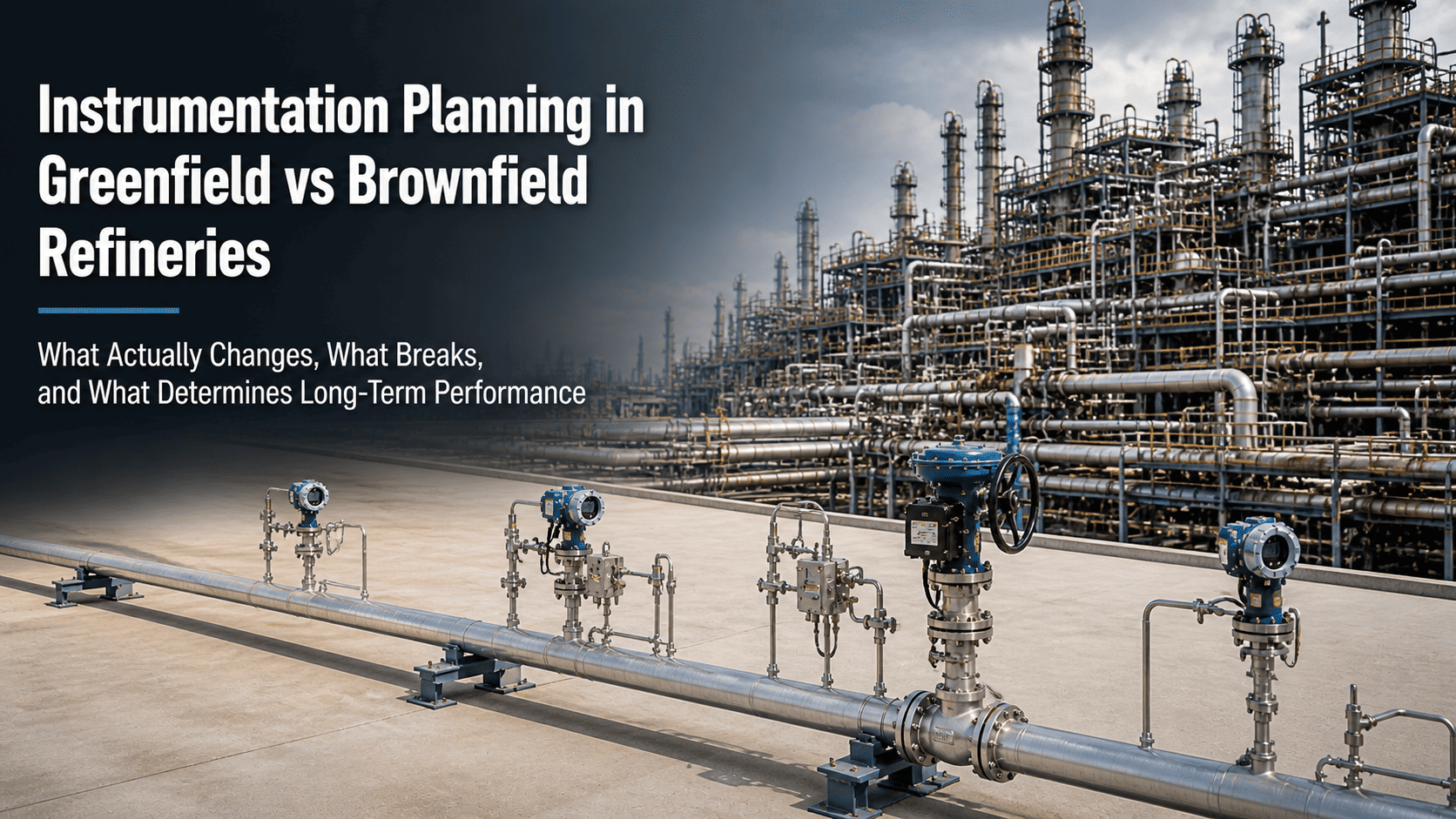
Instrumentation Planning in Greenfield vs Brownfield Refineries: Complete Strategy, Design, Integration, Upgrade, and Optimization Across Oil & Gas Facilities
This blog reframes instrumentation planning in refineries as a strategic, system-level decision rather than a routine engineering task. It highlights how greenfield and brownfield projects operate under different constraints that directly impact design, integration, and long-term performance. The article examines common operational challenges such as device drift, fouling, and process variability, showing how poor planning leads to instability and rising lifecycle costs. By emphasizing lifecycle-driven planning and integration-first architecture, it positions instrumentation as a critical driver of reliability, efficiency, and control stability in refinery operations.
- 04 May 2026
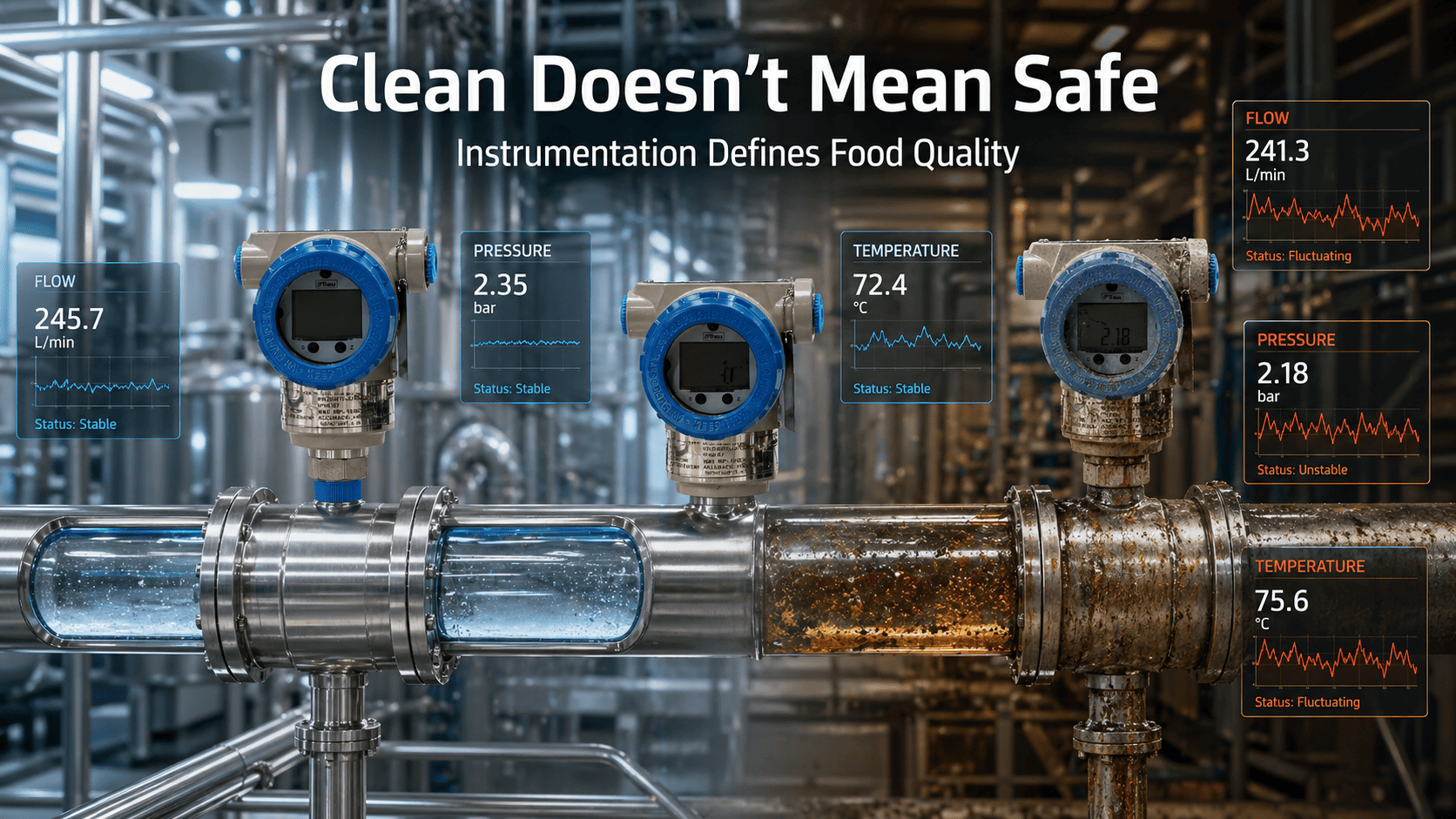
Instrumentation in Food Processing: Where Hygiene, Accuracy, and Compliance Intersect
Instrumentation in food processing is often treated as a background utility, but it directly governs product safety, consistency, and compliance. This blog explores how measurement accuracy, hygienic design, and instrumentation reliability influence everything from contamination risks to taste, texture, and shelf life. It highlights the hidden gaps between process control and product reality, and explains why instrumentation must be treated as a critical part of food safety infrastructure rather than just a support system.
- 25 Apr 2026

Why Delayed Procurement Decisions End Up Costing More Than the Purchase Itself
Procurement delays are often seen as caution. In reality, they silently increase cost across operations. This blog examines how delayed procurement decisions affect process stability, accelerate equipment degradation, create operational inefficiencies, and ultimately lead to higher financial loss. From approval bottlenecks to last-minute purchasing, it reveals why time is not neutral in industrial environments and why faster, well-aligned decisions are critical for maintaining performance and controlling cost.
- 19 Apr 2026
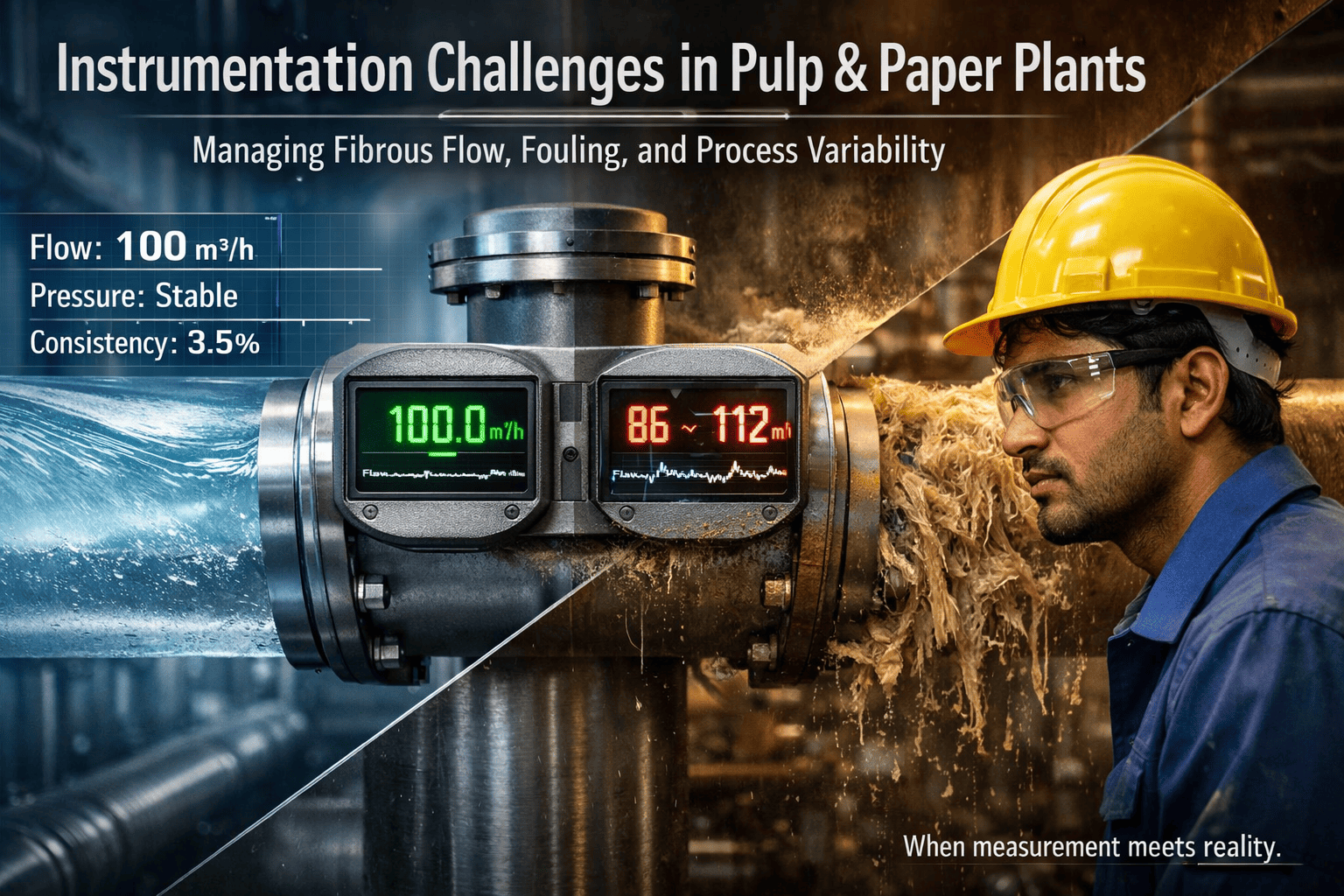
Instrumentation Challenges in Pulp & Paper Plants: Managing Fibrous Flow, Fouling, and Process Variability
Instrumentation challenges in pulp and paper plants directly impact flow measurement accuracy, process control stability, and overall production efficiency. In complex pulp slurry applications, non-Newtonian flow behavior, fiber content, and harsh operating conditions create significant challenges in flow measurement, pressure measurement, and control valve performance. This blog explores common instrumentation problems in pulp and paper industry, including fouling, clogging, and process variability, and highlights how advanced industrial instrumentation solutions improve measurement accuracy, enhance process control, reduce downtime, and optimize plant performance in continuous paper manufacturing environments.
- 13 Apr 2026

The Hidden Cost of Bad Instrumentation: How Measurement Errors Quietly Destroy Plant Profitability
Your plant isn’t losing money in failures. It’s losing it in the numbers you trust. Small measurement errors quietly distort operations, increase energy use, and reduce efficiency. This blog exposes how bad instrumentation erodes profitability and why precision is non-negotiable.
- 04 Apr 2026

Instrumentation in Indian Pharma Manufacturing: How Process Control is Becoming a Regulatory Requirement, Not Just an Operational Choice
Instrumentation in pharmaceutical manufacturing is no longer just about monitoring processes—it is now central to compliance, data integrity, and audit readiness. As regulatory expectations from global agencies intensify, manufacturers must prove control, traceability, and consistency at every stage of production. This blog explores how instrumentation has evolved from an operational tool into a critical compliance infrastructure, the hidden risks of weak measurement systems, and how smart, connected technologies are reshaping GMP compliance and business outcomes in the Indian pharma industry.
- 29 Mar 2026
Seasonal Operations in Sugar Plants: How Instrumentation Performance Degrades Between Campaigns
Instrumentation in sugar plants is often assumed to remain reliable through shutdown periods, but the reality is far more complex. During the off-season, environmental exposure, calibration drift, and process residue silently degrade measurement accuracy. This article explores how instrumentation performance changes between campaigns, why these issues surface during startup, and what plants can do to ensure reliable operation from day one.
- 21 Mar 2026

The New Geopolitics of Industrial Automation: How Global Conflicts, Trade Restrictions, and Supply Chain Fragmentation Are Reshaping Instrumentation Manufacturing
Industrial automation supply chains are increasingly affected by geopolitical tensions, trade policies, and global logistics disruptions. This article explores how these developments are reshaping the manufacturing and distribution of industrial instrumentation, including transmitters, flow meters, and control valves, and why resilient automation supply chains are becoming critical for process industries.
- 18 Mar 2026
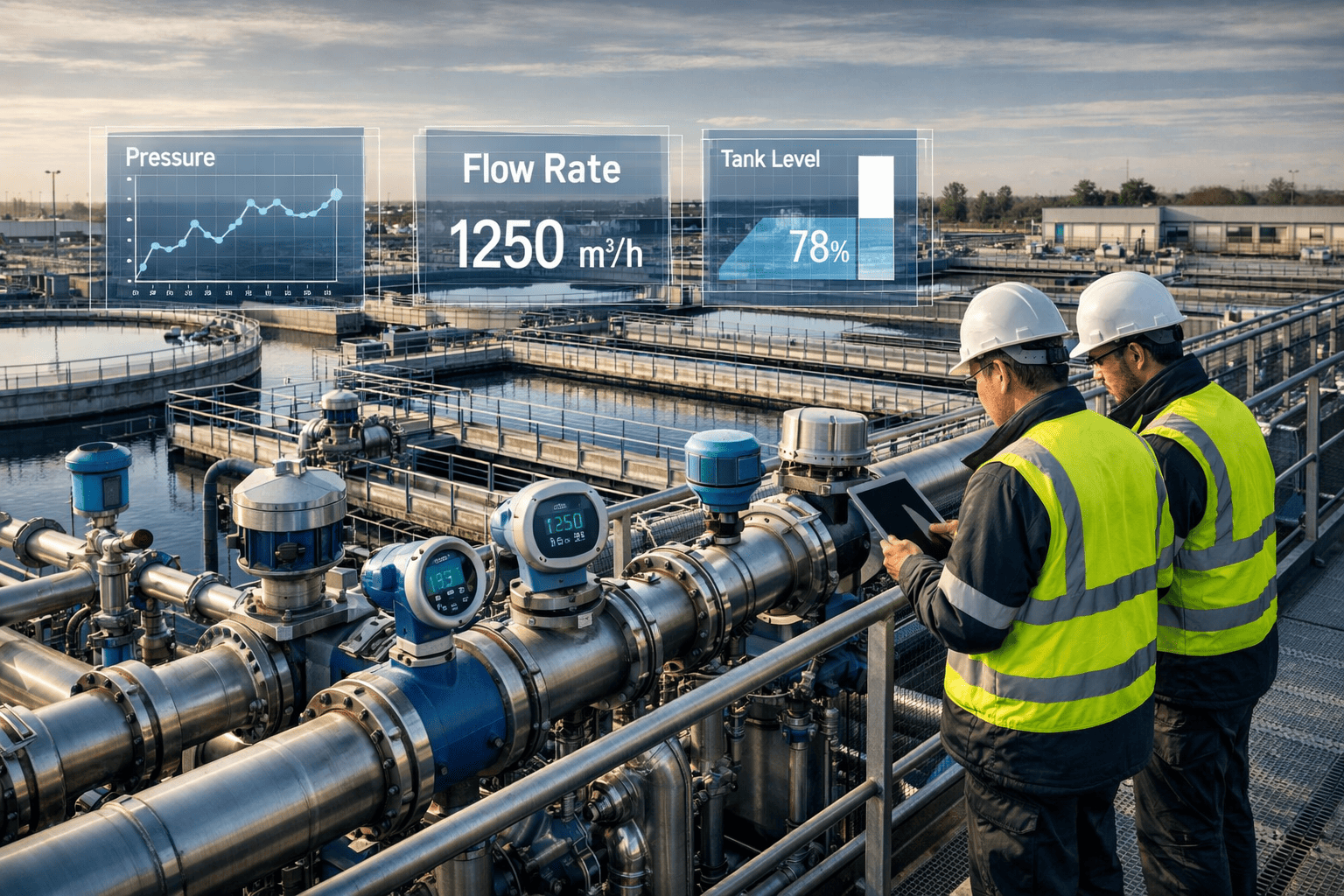
Water Treatment Plant Automation: Why Instrumentation and Control Systems Determine Water Infrastructure Reliability
Modern water treatment plants operate as complex industrial process systems where stable performance depends on accurate measurement, reliable monitoring, and effective process control. This article explores how instrumentation technologies such as pressure transmitters, differential pressure transmitters, level transmitters, and electromagnetic flow meters enable operators to maintain hydraulic stability, optimize filtration processes, and regulate water flow throughout treatment facilities. It also examines the role of control valves, automated actuators, and integrated monitoring systems in managing large water infrastructure networks. By understanding how instrumentation and control systems support plant operations, utilities can improve reliability, enhance operational visibility, and ensure consistent delivery of safe, treated water across expanding urban environments.
- 08 Mar 2026
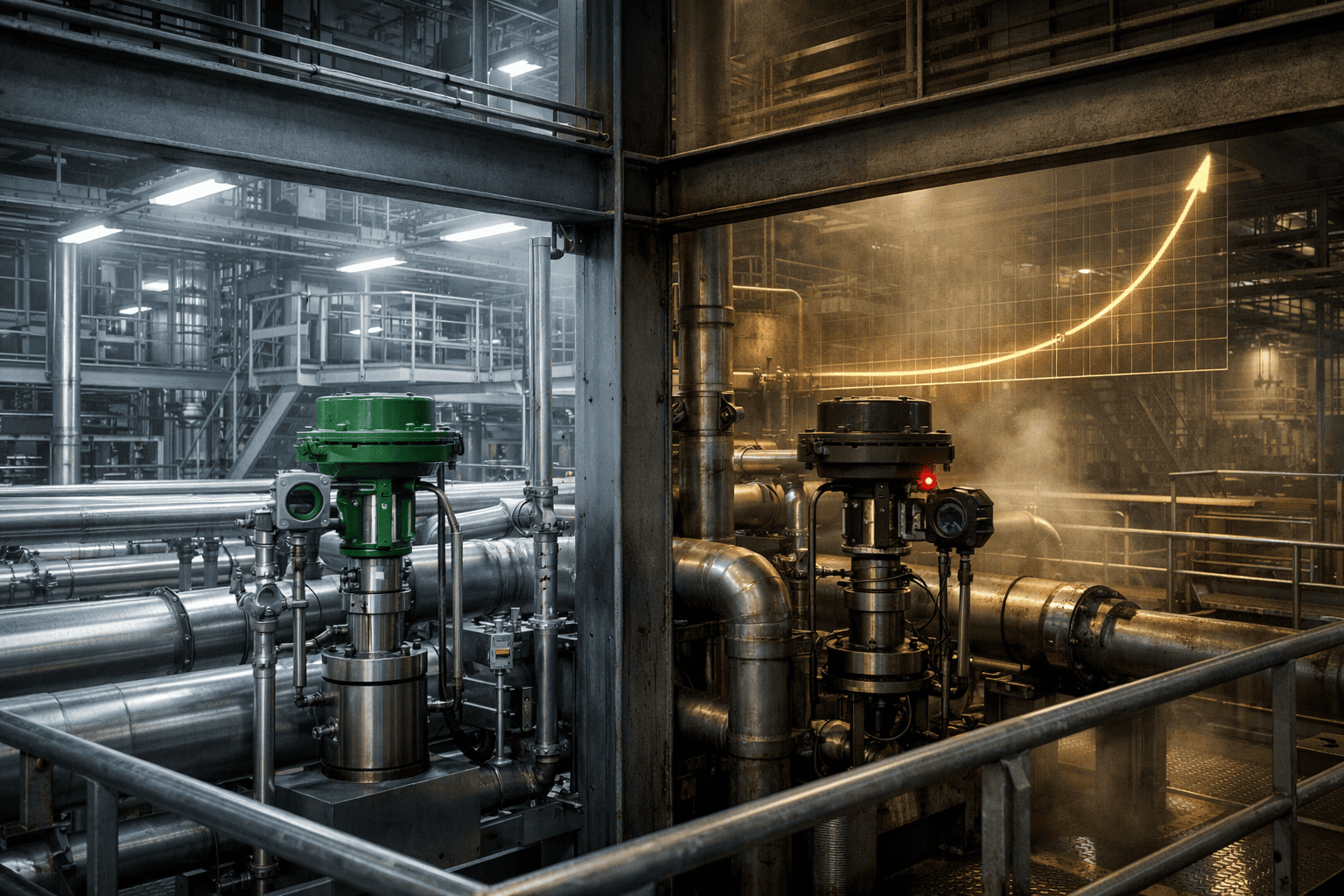
Industrial Process Measurement Challenges: The Cost Curve from Drift to Downtime in High Pressure Plants
Modern industrial plants depend on stable process measurement to maintain efficiency, safety, and uptime. This in-depth analysis explores how transmitter drift, control loop instability, and harsh operating environments escalate operational cost over time. From hidden efficiency loss to full plant downtime, we examine the cost curve of measurement failure and the engineering strategies that flatten it.
- 28 Feb 2026

Why Indian Process Plants Must Prepare for AI Ready Infrastructure
Artificial intelligence is becoming central to industrial automation, but success depends on far more than software adoption. This blog explains why Indian process plants must first build AI-ready infrastructure. It examines the role of modern control systems, reliable instrumentation data, secure connectivity, and organizational readiness in enabling sustainable digital transformation and future AI integration.
- 02 Feb 2026

Import Dependent Instrumentation: The Risks Cement Plants Must Manage
India’s cement plants continue to rely on imported instruments for process control and reliability, creating long-term risks in cost, maintenance, and supply stability. This blog examines how that dependence formed, the operational and financial challenges it causes, and the steps needed to strengthen local capability. It highlights how collaboration between Indian manufacturers and cement producers can build resilience, improve lifecycle value, and move the industry toward true self-reliance in industrial automation.
- 16 Jan 2026

Breaking the Bias: Can Indian Instrumentation Win Its Own Market?
This blog explores the long standing perception barriers that limit the growth of Indian instrumentation in its own domestic market. It examines the origins of buyer bias, the cultural and psychological habits that influence procurement decisions, and the strategic impact of relying heavily on foreign automation. The blog offers a detailed and practical roadmap for Indian OEMs, industry bodies, and policy makers to build trust, credibility, and innovation. It presents a vision for an India that not only manufactures world class instrumentation but also believes in it.
- 13 Nov 2025
Why PESO Certification Matters for Industrial Instrumentation in India
PESO certification stands at the core of industrial safety in India. This blog explains why it is essential for the industrial instrumentation sector, detailing how certified transmitters, valves, and actuators ensure compliance, protect assets, and build trust across hazardous industries. Learn how PESO aligns India’s safety standards with global frameworks like ATEX and IECEx, empowering manufacturers to deliver world-class reliability and performance.
- 17 Oct 2025

Building Resilient Process Plants Amid Tariffs and Supply Chain Disruptions
Global tariffs and logistics bottlenecks are reshaping how process industries operate. This blog explores how resilient instrumentation; control valves, transmitters, actuators, and flow meters; can help plants in India and worldwide maintain uptime, safety, and performance amid trade volatility.
- 06 Oct 2025
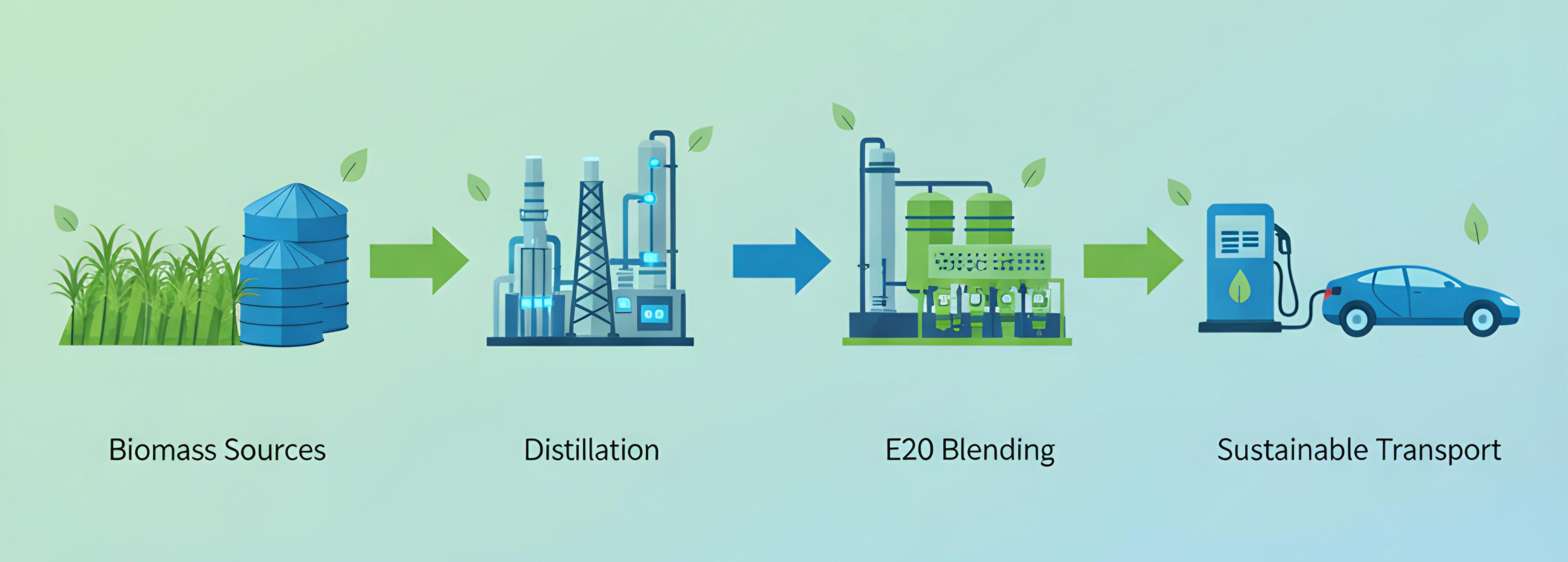
Automation in Ethanol Blending Plants: Enabling Accuracy and Compliance for E20 Fuel
This blog explores how automation and process instrumentation are transforming ethanol blending plants in India. With the government’s push for E20 fuel by 2025–26, accurate ratio control, compliance, and safety have become critical. From control valves and flow meters to intelligent actuators and analyzers, automation ensures that ethanol blending operations meet regulatory standards while improving efficiency, reliability, and traceability.
- 23 Sep 2025
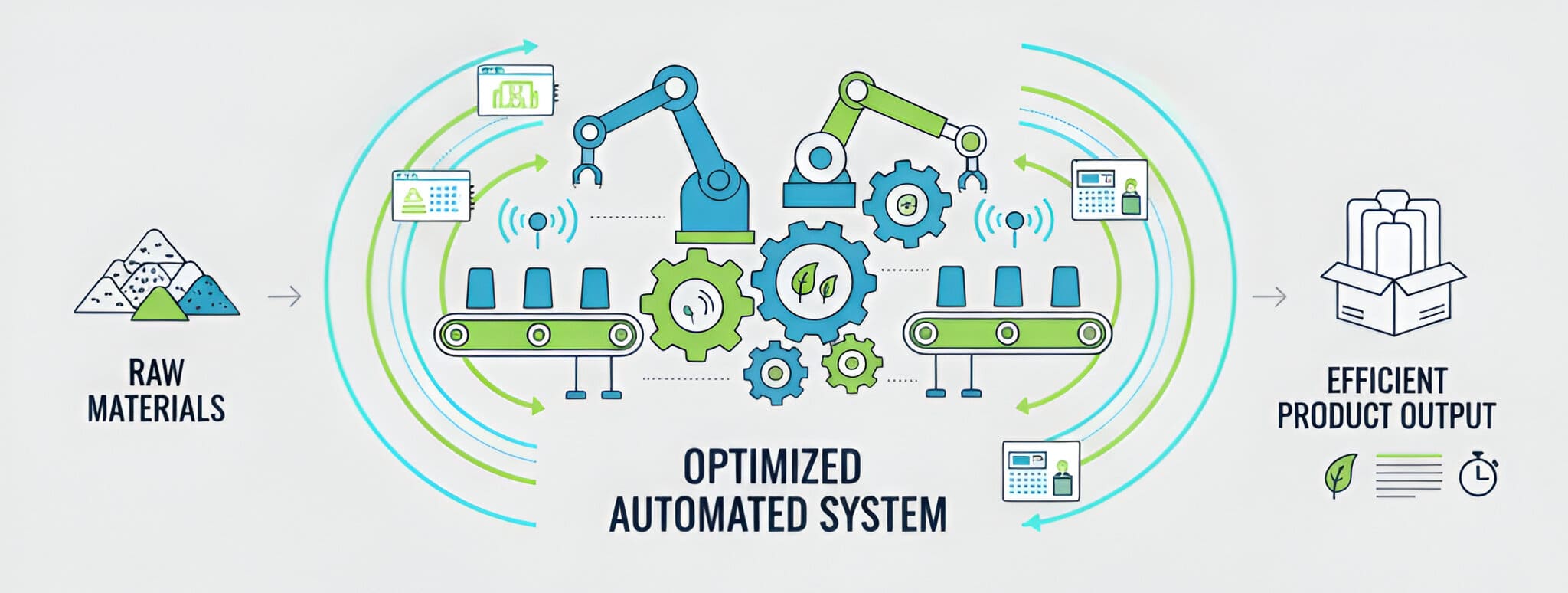
How Industrial Automation is Driving Down Carbon Emissions in Process Industries
This blog explores how industrial automation is helping process industries cut carbon emissions while improving efficiency and reliability. From energy optimization and predictive maintenance to renewable integration, automation is proving essential for achieving net zero and sustainability goals in India and globally.
- 12 Sep 2025
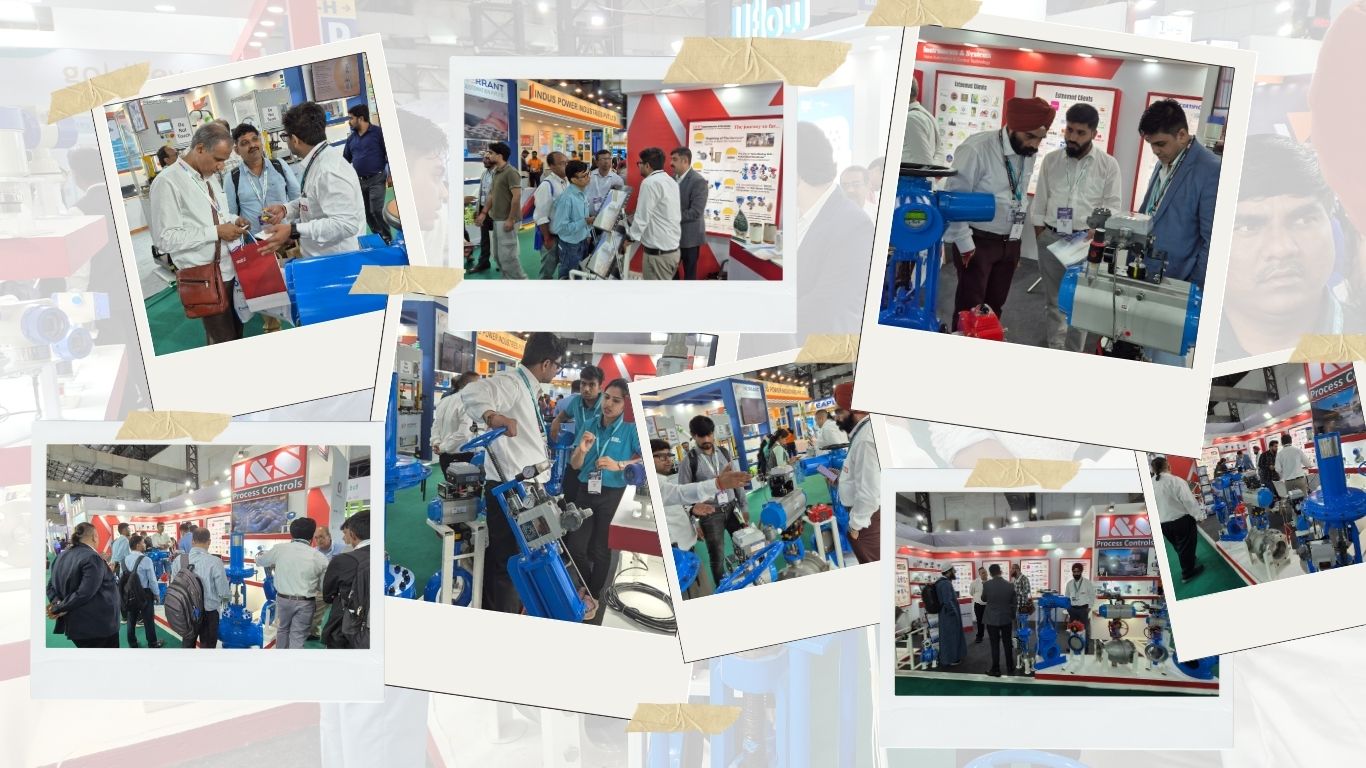
Instruments & Systems at Automation Expo 2025: A Four-Day Recap of Industrial Automation Excellence
Four days. A clear presence. A brief recognition. And a simple message: reliable automation is built on clarity, discipline, and follow-through.
- 25 Aug 2025
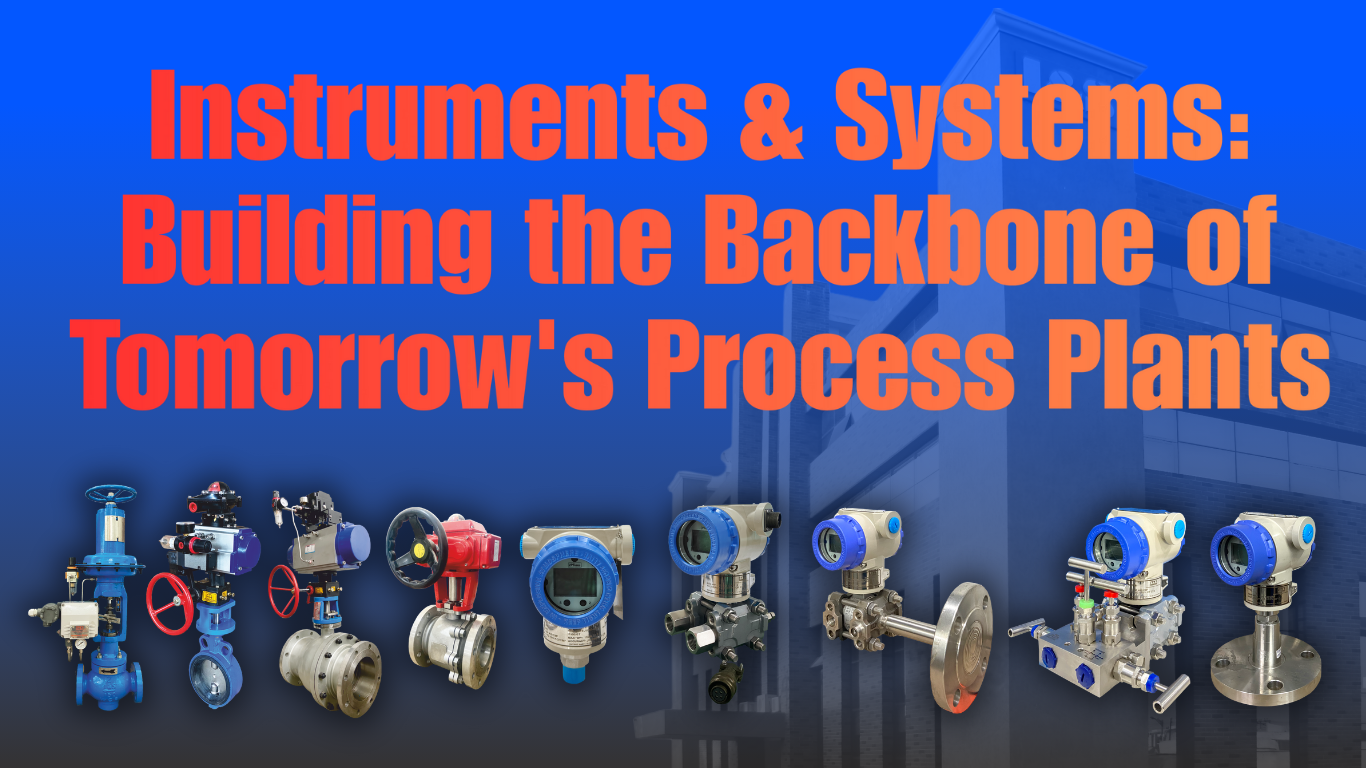
Instruments & Systems: Building the Backbone of Tomorrow’s Process Plants
In this blog, we dive into how Instruments & Systems supports process industries worldwide with precision-driven solutions: ranging from transmitters and control valves to intelligent actuators and flowmeters. Learn how we help manufacturers build plants that are more efficient, scalable, and future-ready.
- 06 Aug 2025